
 ★ 8.5
BollyClips: Bollywood, one year at a time
A London boy who follows a Punjabi girl across Europe, a village that bets its taxes on one cricket match, a pair of thieves on motorbikes, a shy clerk who dances in disguise to win back his own wife. In December 2009 the BollyClips blog posted deleted scenes from Dilwale Dulhania Le Jayenge, Mohabbatein, Kabhi Khushi Kabhie Gham, Lagaan, Salaam Namaste, Dhoom 2 and Rab Ne Bana Di Jodi, and kept them in a Blog Archive by year. This guide opens that archive wider: 150 Hindi films of 1995 to 2009, the most voted of each year on TMDB, in twelve archive shelves, each with its English synopsis, its cast and where to watch it.
Blog Archive
1995 to 19971995 to 1997
Older Posts (13)★ 8.5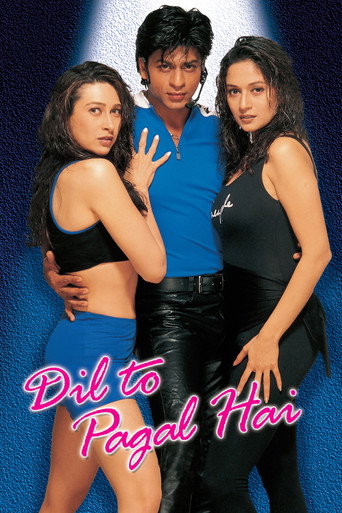 ★ 6.9
 ★ 6.7
 ★ 6.1
 ★ 6.8
 ★ 6.5
 ★ 7.0
 ★ 6.4
 ★ 6.4
 ★ 6.5
 ★ 6.9
 ★ 6.0
1998 and 19991998 and 1999
Older Posts (13)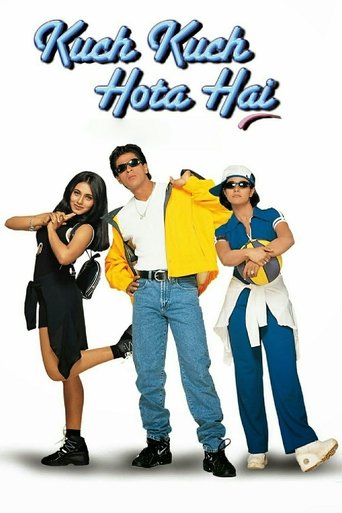 ★ 7.5
 ★ 6.9
 ★ 6.4
 ★ 6.5
 ★ 6.9
 ★ 6.1
 ★ 6.0
 ★ 7.3
 ★ 6.2
 ★ 7.1
 ★ 6.6
 ★ 5.6
Films of 2000Films of 2000
Older Posts (13) ★ 7.2
 ★ 7.1
 ★ 6.5
 ★ 6.0
 ★ 6.3
 ★ 6.4
 ★ 5.5
 ★ 4.5
 ★ 5.9
 ★ 5.4
 ★ 5.1
 ★ 5.1
Films of 2001Films of 2001
Older Posts (12)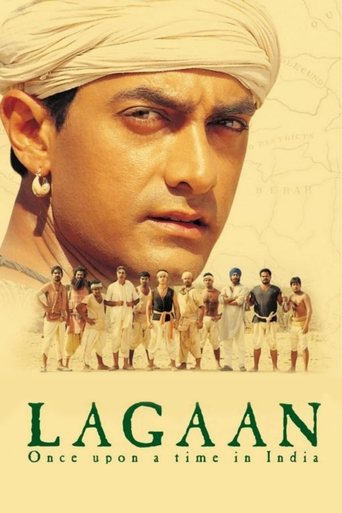 ★ 7.3
 ★ 7.7
 ★ 6.9
 ★ 6.8
 ★ 6.5
 ★ 7.1
 ★ 5.9
 ★ 6.8
 ★ 5.6
 ★ 5.6
 ★ 6.5
 ★ 5.3
Films of 2002Films of 2002
Older Posts (13)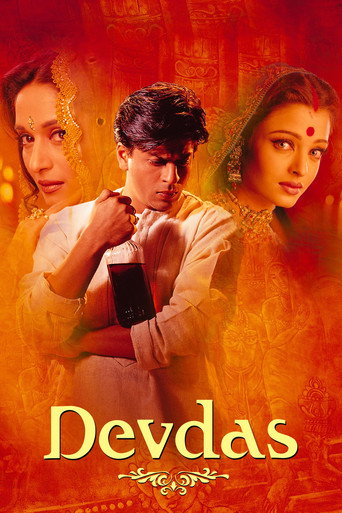 ★ 7.5
 ★ 6.3
 ★ 7.0
 ★ 6.5
 ★ 7.1
 ★ 5.6
 ★ 5.7
 ★ 6.2
 ★ 5.5
 ★ 5.8
 ★ 5.7
 ★ 4.6
Films of 2003Films of 2003
Older Posts (11) ★ 7.2
 ★ 7.0
 ★ 6.9
 ★ 6.4
 ★ 6.5
 ★ 6.9
 ★ 6.7
 ★ 7.1
 ★ 5.2
 ★ 6.4
 ★ 6.0
Films of 2004Films of 2004
Older Posts (13)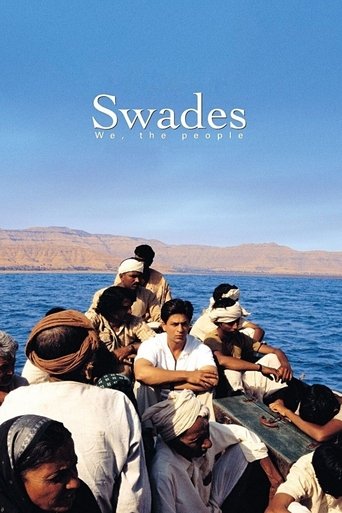 ★ 7.4
 ★ 7.5
 ★ 6.3
 ★ 6.5
 ★ 6.4
 ★ 6.8
 ★ 7.6
 ★ 6.5
 ★ 6.6
 ★ 6.1
 ★ 5.7
 ★ 6.7
Films of 2005Films of 2005
Older Posts (12) ★ 7.7
 ★ 5.3
 ★ 6.1
 ★ 6.2
 ★ 6.1
 ★ 6.9
 ★ 6.3
 ★ 7.0
 ★ 6.0
 ★ 4.7
 ★ 5.3
 ★ 6.5
Films of 2006Films of 2006
Older Posts (13)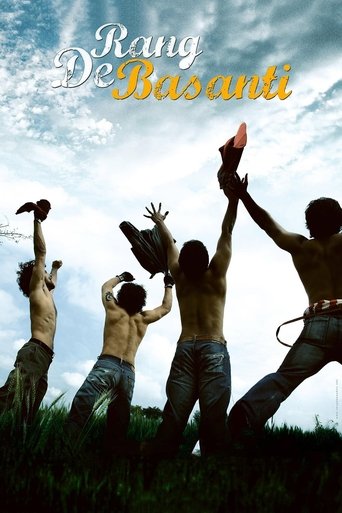 ★ 7.1
 ★ 6.9
 ★ 6.6
 ★ 6.5
 ★ 6.7
 ★ 7.3
 ★ 6.9
 ★ 6.8
 ★ 7.3
 ★ 6.3
 ★ 6.5
 ★ 6.9
Films of 2007Films of 2007
Older Posts (12)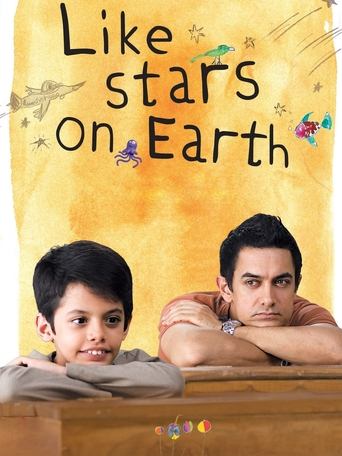 ★ 8.0
 ★ 7.1
 ★ 7.2
 ★ 7.3
 ★ 6.8
 ★ 6.9
 ★ 6.8
 ★ 6.9
 ★ 6.2
 ★ 5.6
 ★ 5.9
 ★ 6.5
Films of 2008Films of 2008
Older Posts (13) ★ 7.0
 ★ 7.0
 ★ 7.1
 ★ 7.3
 ★ 6.2
 ★ 6.1
 ★ 6.2
 ★ 5.4
 ★ 6.8
 ★ 5.7
 ★ 7.0
 ★ 6.4
Films of 2009Films of 2009
Older Posts (12)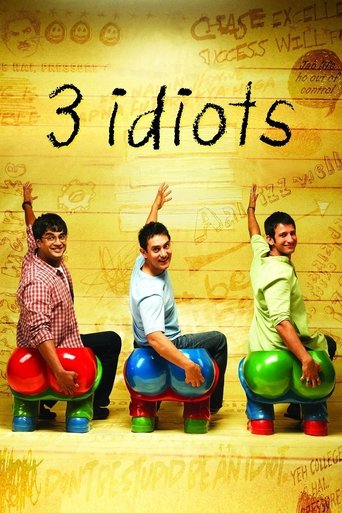 ★ 8.0
 ★ 7.2
 ★ 6.2
 ★ 7.0
 ★ 6.9
 ★ 5.8
 ★ 6.3
 ★ 6.5
 ★ 6.8
 ★ 5.8
 ★ 6.1
 ★ 6.4
The BollyClips guide
The BollyClips guide: a blog archive of Bollywood
What BollyClips was
BollyClips was a small Blogger blog with a big subject. Its header read "BollyClips - bollywood clips videos movies", its description promised a place where Bollywood clips, movies and videos could be found, and its posts were signed by a writer called BollyCritic. When the Wayback Machine saved the blog on 9 January 2010, the newest posts, all from December 2009, shared deleted scenes from some of the most loved Hindi films of the previous fifteen years: Dilwale Dulhania Le Jayenge, Mohabbatein, Kabhi Khushi Kabhie Gham, Salaam Namaste, Dhoom 2 and Rab Ne Bana Di Jodi, which the blog shortened to RNBDJ as fans did. Another post showed Aamir Khan hitting a six against the British in Lagaan: Once Upon a Time in India. Down the right side ran the Blog Archive, with its small triangles, its years and its months.
This guide takes that Blog Archive and fills it with films. It holds 150 Hindi films released between 1995 and 2009, the most voted on TMDB for each period, kept in twelve archive shelves by year, exactly as a blog keeps its posts by date. Every film has an English synopsis, its cast, its director, its genres, its running time and its TMDB rating, and a Watch now button that opens it on JustWatch for the country you choose. The oldest films date from 1995, among them Dilwale Dulhania Le Jayenge, Karan Arjun and Rangeela; the newest from 2009, among them 3 Idiots, Wake Up Sid and Paa. The guide Start with BollyClips suggests where to begin.
Twelve shelves, three periods
The archive opens with two shelves for the late nineties: 1995 to 1997 and 1998 and 1999, thirteen films each. From 2000 every year has its own shelf: 2000, 2001, 2002, 2003, 2004, 2005, 2006, 2007, 2008 and 2009, with eleven to thirteen films each. The three periods gather the shelves: The late nineties, 26 films; 2000 to 2004, 62 films; and 2005 to 2009, 62 films. Three short guides sum up the periods: The late nineties, 2000 to 2004 and 2005 to 2009.
The rule is simple. Only films first made in Hindi count, so the Tamil, Telugu and English-language hits of the period stay out of the archive; documentaries and animated films are set aside; and within each period the films with the most votes on TMDB come first. One film, a horror anthology of 2003 whose title is a warning, was set aside by hand, which is why the 2003 shelf holds eleven films. Three more lists sit beside the archive: Shah Rukh Khan, Aamir Khan and Rated 7.5 or more. The guide How the archive works explains each rule.
1995 to 1997
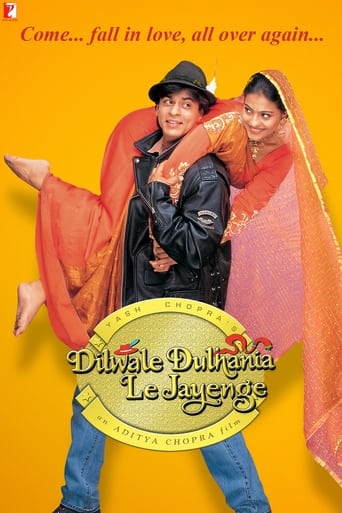
The first archive shelf, 1995 to 1997, holds thirteen films and about 5,700 votes, and almost all of them belong to one film. Dilwale Dulhania Le Jayenge, released in October 1995, has 4,635 votes and a rating of 8.5, the most votes and the best rating of the whole guide. Aditya Chopra made it at 23 as his first film, with Shah Rukh Khan as Raj, the carefree London boy, and Kajol as Simran, the girl whose father has promised her to a groom in Punjab. The two meet on a train trip across Europe, and Raj follows Simran home to win her family rather than run away with her. At 190 minutes it is long even by the standards of this archive, and its songs became wedding standards. A single cinema in Mumbai, the Maratha Mandir, kept it on its screen for decades. BollyClips posted its deleted scenes in December 2009, calling it an all-time Bollywood blockbuster.
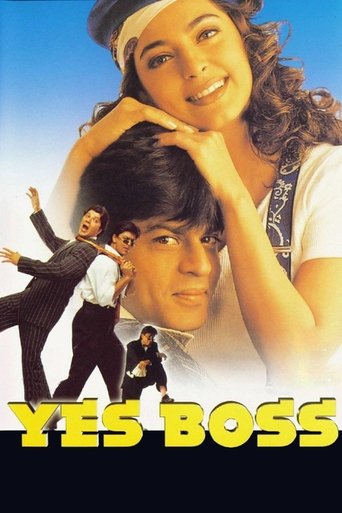
Shah Rukh Khan leads six of the thirteen films on this shelf. Karan Arjun, 1995, by Rakesh Roshan, pairs him with Salman Khan as two brothers reborn to avenge their own murder; Dil To Pagal Hai, 1997, by Yash Chopra, with Madhuri Dixit and Karisma Kapoor, is a love triangle in a dance troupe and the second most voted film of the shelf; Pardes, 1997, by Subhash Ghai, casts him as the foster son of an Indian businessman settled in the United States; Yes Boss, 1997, by Aziz Mirza, makes him an employee who helps his boss court the girl he loves himself; and Koyla, 1997, again by Rakesh Roshan, is an action drama with Madhuri Dixit.
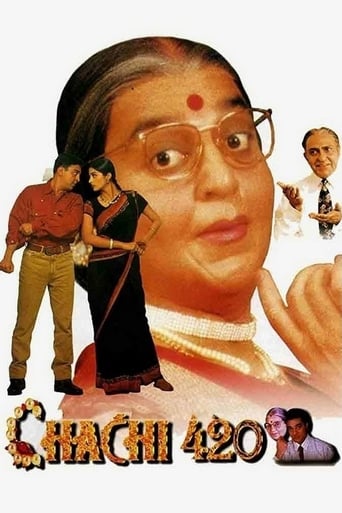
Aamir Khan has three films here. Rangeela, 1995, by Ram Gopal Varma, with Urmila Matondkar as a dancer who dreams of films, and A. R. Rahman songs; Akele Hum Akele Tum, 1995, by Mansoor Khan, a marriage between two singers coming apart; and Raja Hindustani, 1996, by Dharmesh Darshan, a taxi driver who falls for a rich girl, with Karisma Kapoor. He also shares Ishq, 1997, with Ajay Devgn, Juhi Chawla and Kajol. The war film Border, 1997, by J. P. Dutta, retells the battle of Longewala of 1971 with Sunny Deol and Jackie Shroff, and Chachi 420, 1997, is Kamal Haasan's Hindi remake of his own Tamil comedy, a father who dresses as an old nanny to stay near his daughter. Judwaa, 1997, by David Dhawan, gives Salman Khan a double role as twins separated at birth.
1998 and 1999
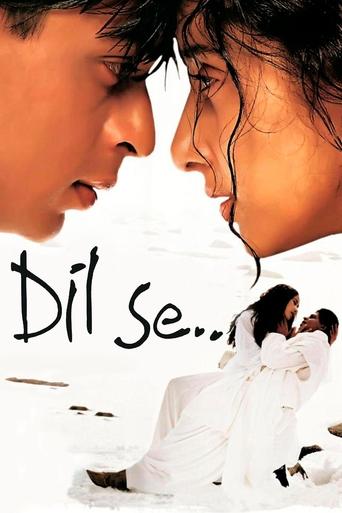
The second shelf, 1998 and 1999, holds thirteen films and about 1,600 votes. Its first film is Karan Johar's debut, Kuch Kuch Hota Hai, 1998, with 454 votes and a rating of 7.5: an eight-year-old girl, following her late mother's letters, sets out to reunite her widowed father Rahul with his college best friend Anjali. Shah Rukh Khan, Kajol and Rani Mukerji lead the cast, with Salman Khan as the fiancé. The same year Mani Ratnam made Dil Se.., with Shah Rukh Khan as a radio journalist drawn to a mysterious woman played by Manisha Koirala; its song on the roof of a moving train is one of the famous images of the decade.
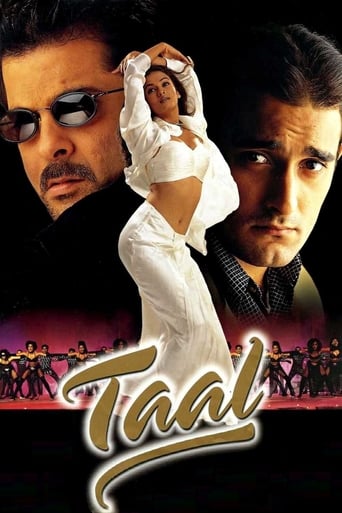
Shah Rukh Khan also has two lighter films on the shelf: Duplicate, 1998, by Mahesh Bhatt, a double role as a shy chef and his criminal lookalike, and Baadshah, 1999, by the brothers Abbas and Mustan Burmawalla, a comic detective story. Aamir Khan plays a police officer chasing arms smugglers in Sarfarosh, 1999, and a street boxer in Ghulam, 1998, remembered for its race in front of an oncoming train. Sanjay Leela Bhansali's Hum Dil De Chuke Sanam, 1999, with Aishwarya Rai Bachchan, Salman Khan and Ajay Devgn, travels from a Gujarati household to Italy, and Subhash Ghai's Taal, 1999, with Aishwarya Rai Bachchan and Anil Kapoor, is built around the songs of A. R. Rahman.
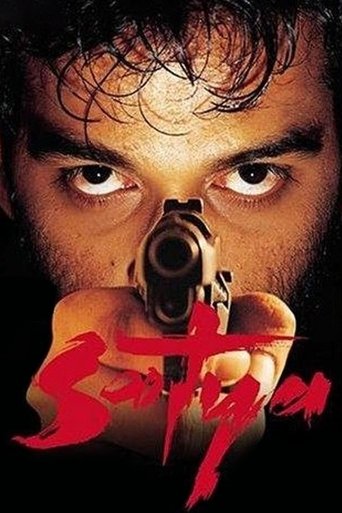
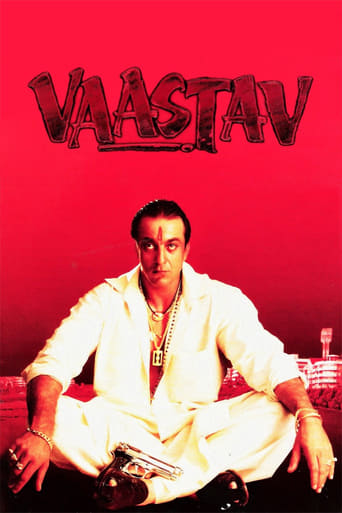
The crime drama arrives with Satya, 1998, by Ram Gopal Varma, rated 7.3, the best of the shelf after Kuch Kuch Hota Hai: a newcomer to Mumbai drawn into its underworld, with Manoj Bajpayee as Bhiku Mhatre. Mahesh Manjrekar's Vaastav, 1999, follows Sanjay Dutt as a young man who rises in the same world. The family film is here in Hum Saath Saath Hain, 1999, by Sooraj Barjatya, and the comedy in two films directed by a brother of the star, Pyaar Kiya To Darna Kya, 1998, and Hello Brother, 1999, both by Sohail Khan with his brother Salman Khan.
2000
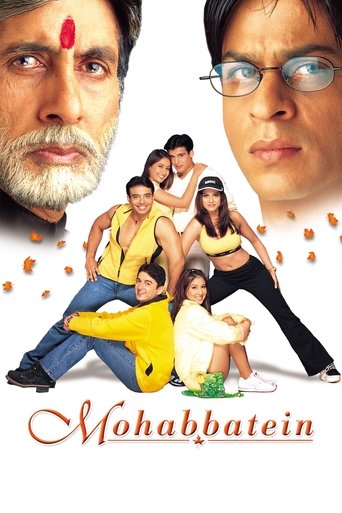
The shelf 2000 holds thirteen films and about 1,200 votes. Its most voted film is a comedy: Priyadarshan's Hera Pheri, 332 votes, with Akshay Kumar, Suniel Shetty and Paresh Rawal as three broke men who answer a wrong-number call from a kidnapper and see a chance to get rich. Paresh Rawal's landlord Baburao became one of the most quoted characters of Hindi comedy, and the trio returned six years later in Phir Hera Pheri, on the 2006 shelf. Close behind comes Aditya Chopra's second film, Mohabbatein, 313 votes, at 216 minutes the second longest film of the guide: Amitabh Bachchan as the stern headmaster of a boys' school and Shah Rukh Khan as the music teacher who brings love back into it. BollyClips posted its deleted scenes too, listing its stars as Shahrukh Khan, Amitabh Bachchan, Hrithik Roshan, Kajol and Kareena Kapoor.
The rest of the shelf shows the range of the year. Aziz Mirza's Phir Bhi Dil Hai Hindustani sets Shah Rukh Khan and Juhi Chawla as rival television reporters; Mansoor Khan's Josh casts Shah Rukh Khan and Aishwarya Rai Bachchan as twin brother and sister at the head of a street gang in Goa; Vidhu Vinod Chopra's Mission Kashmir gives Hrithik Roshan a dark role opposite Sanjay Dutt; and Khalid Mohammed's Fiza has Karisma Kapoor searching for her lost brother, again Hrithik Roshan, who made his debut that same year. Dharmesh Darshan has two films here, the love story Dhadkan, with Akshay Kumar, Shilpa Shetty and Suniel Shetty, and the adventure Mela, with Aamir Khan and Twinkle Khanna, at 4.5 the lowest rated film of the guide.
David Dhawan's comedy factory is here with Dulhan Hum Le Jayenge and Chal Mere Bhai, both with Salman Khan; Raj Kanwar's Har Dil Jo Pyar Karega adds Salman Khan with Rani Mukerji and Preity Zinta; Manoj Agrawal's Hadh Kar Di Aapne pairs Govinda and Rani Mukerji; and Raju Chacha, directed by Anil Devgan with his brother Ajay Devgn, is a family film with 24 votes, the fewest of the guide.
2001
The shelf 2001 holds twelve films and about 2,600 votes, and it opens with two of the giants of the archive. Ashutosh Gowariker's Lagaan: Once Upon a Time in India, 678 votes, 233 minutes, the longest film of the guide: in 1893 the farmers of a drought-struck village accept a wager from a British officer and play a game of cricket to escape a crushing land tax. Aamir Khan plays Bhuvan, who learns the game from scratch; the film reached the final five of the Academy Award for best foreign language film. BollyClips posted the clip of Bhuvan hitting a six. Karan Johar's Kabhi Khushi Kabhie Gham, 641 votes and a rating of 7.7, follows a family torn apart when the adopted elder son marries a girl from Chandni Chowk, and the younger son's mission to bring him home from London; Amitabh Bachchan, Jaya Bachchan, Shah Rukh Khan, Kajol, Hrithik Roshan and Kareena Kapoor lead it.
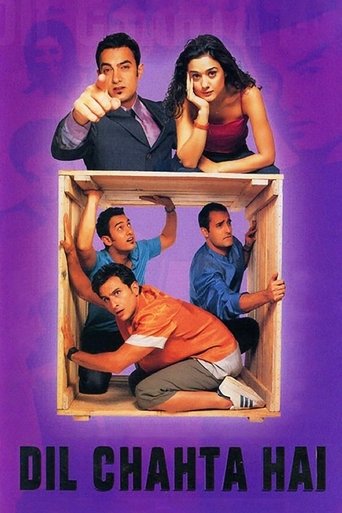
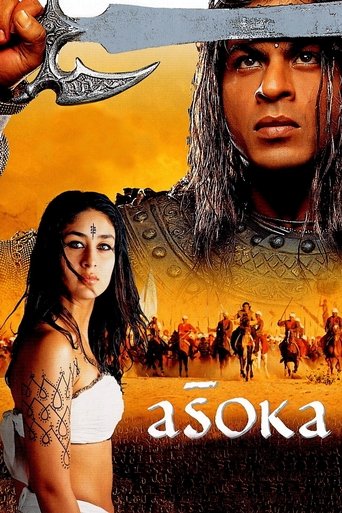
The new generation is on this shelf too. Farhan Akhtar's first film, Dil Chahta Hai, 357 votes, follows three college friends in Mumbai and Goa, Aamir Khan, Saif Ali Khan and Akshaye Khanna, and changed the way Hindi films showed urban youth. Mira Nair's Monsoon Wedding, 229 votes, an Indian, American and French production, gathers a Punjabi family in Delhi for a wedding and won the Golden Lion in Venice. Santosh Sivan's Aśoka gives Shah Rukh Khan the role of the emperor before his conversion, and Shankar's Nayak: The Real Hero, a Hindi remake of his Tamil Mudhalvan, makes Anil Kapoor a television cameraman who becomes chief minister for one day.
Anil Sharma's Gadar: Ek Prem Katha tells a love story across the Partition of 1947, with Sunny Deol and Ameesha Patel; Gautham Menon's Rehnaa Hai Terre Dil Mein, his own remake of a Tamil hit, introduced R. Madhavan to Hindi audiences; and the shelf ends with Chori Chori Chupke Chupke, about surrogacy, One 2 Ka 4, Ajnabee and Subhash Ghai's Yaadein, a father and his three daughters with Jackie Shroff, Hrithik Roshan and Kareena Kapoor.
2002
The shelf 2002 holds thirteen films and about 1,100 votes. Sanjay Leela Bhansali's Devdas, 399 votes and a rating of 7.5, leads it: Sarat Chandra Chattopadhyay's novel of 1917 retold in palaces of colour, with Shah Rukh Khan as Devdas, Aishwarya Rai Bachchan as Paro and Madhuri Dixit as Chandramukhi, and with Kirron Kher and Jackie Shroff beside them. The film was screened at Cannes and became the most expensive Hindi film made up to its time. Kunal Kohli's Mujhse Dosti Karoge!, with Hrithik Roshan, Rani Mukerji and Kareena Kapoor, is the second most voted, a love story about letters written in someone else's name.
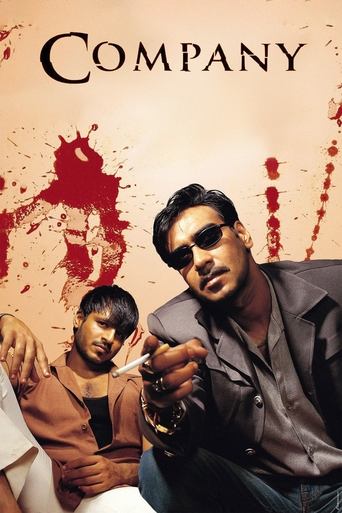
The underworld comes back in Ram Gopal Varma's Company, rated 7.0, with Ajay Devgn and Vivek Oberoi as a gang boss and his protégé who split between Mumbai and Hong Kong. Rajkumar Santoshi's The Legend of Bhagat Singh, rated 7.1, the best of the shelf after Devdas, gives Ajay Devgn the role of the young revolutionary hanged in 1931. Vipul Amrutlal Shah's Aankhen has Amitabh Bachchan train three blind men to rob a bank, and Sanjay Gupta's Kaante, shot in Los Angeles, gathers Amitabh Bachchan, Sanjay Dutt and Suniel Shetty for a heist. Vikram Bhatt has two films on the shelf, the ghost story Raaz with Bipasha Basu and Dino Morea and the comedy Awara Paagal Deewana with Akshay Kumar, Suniel Shetty and Paresh Rawal.
The rest are love stories and thrillers: Shaad Ali's Saathiya, a secret marriage with Vivek Oberoi and Rani Mukerji, produced by Yash Raj Films; K. S. Adiyaman's Hum Tumhare Hain Sanam, with Shah Rukh Khan, Salman Khan and Madhuri Dixit; Kundan Shah's Dil Hai Tumhaara, with Preity Zinta and Mahima Chaudhry as sisters; Abbas and Mustan Burmawalla's Humraaz, with Bobby Deol, Akshaye Khanna and Ameesha Patel; and Rajkumar Kohli's Jaani Dushman: Ek Anokhi Kahani, a shape-shifting serpent among a crowd of stars, rated 4.6.
2003
The shelf 2003 holds eleven films and about 1,400 votes. Its most voted is Rajkumar Hirani's first film, Munna Bhai M.B.B.S., 385 votes and a rating of 7.2: a kind-hearted Mumbai gangster, Sanjay Dutt, enrols in a medical college to please his parents, with Arshad Warsi as his loyal Circuit and Boman Irani as the dean. Its sequel, Lage Raho Munna Bhai, is on the 2006 shelf. Rakesh Roshan's Koi... Mil Gaya, 290 votes, is Bollywood's own alien film: Hrithik Roshan as a young man with a learning disability who befriends a visitor from space called Jadoo, with Preity Zinta. Its sequel Krrish is also on the 2006 shelf.
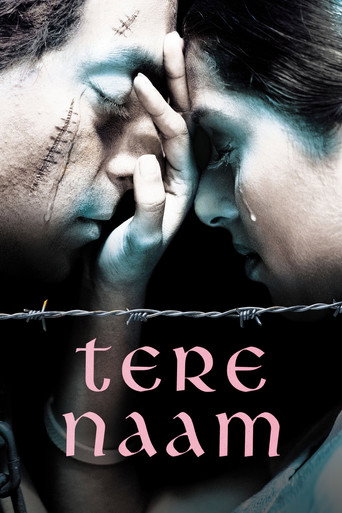
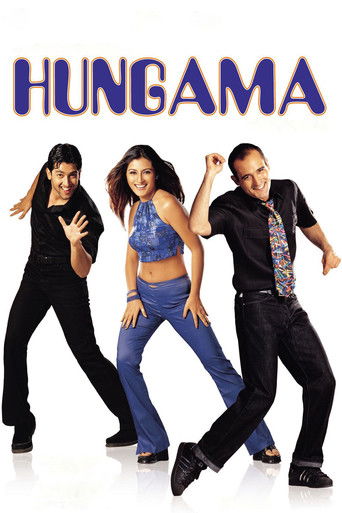
Ravi Chopra's Baghban reunites Amitabh Bachchan and Hema Malini as parents whose four sons share them out after retirement; Aziz Mirza's Chalte Chalte follows the marriage of Shah Rukh Khan and Rani Mukerji; Satish Kaushik's Tere Naam made Salman Khan's long hair the look of the year; and Priyadarshan's Hungama, rated 6.9, is a comedy of errors with Akshaye Khanna, Aftab Shivdasani and Paresh Rawal. The darker films are Prakash Jha's Gangaajal, with Ajay Devgn as a police superintendent in Bihar, Vishal Bhardwaj's Maqbool, Macbeth in the Mumbai underworld with Irrfan Khan, Tabu and Pankaj Kapur, rated 7.1, and Ram Gopal Varma's Bhoot, 113 minutes, a haunted flat with Ajay Devgn and Urmila Matondkar. Sooraj Barjatya's Main Prem Ki Diwani Hoon, 197 minutes, and Naresh Malhotra's Dil Ka Rishta complete the year.
2004
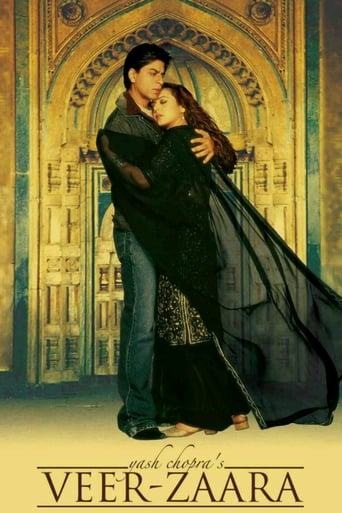
The shelf 2004 holds thirteen films and about 1,900 votes. Shah Rukh Khan has its two most voted. Ashutosh Gowariker's Swades, 412 votes, makes him Mohan Bhargava, a scientist at NASA who returns to an Indian village to bring his old nanny back to America and stays to light it with a small water-powered generator. Yash Chopra's Veer-Zaara, 324 votes and a rating of 7.5, is a love story across the border between an Indian Air Force pilot and a Pakistani girl, Preity Zinta, told from a Pakistani prison twenty-two years later, with Rani Mukerji as the young lawyer who takes up the case. The third most voted is the film that started a series: Sanjay Gadhvi's Dhoom, 260 votes, with Abhishek Bachchan as a police officer, Uday Chopra as a mechanic and John Abraham as the leader of a gang of bikers who rob banks.
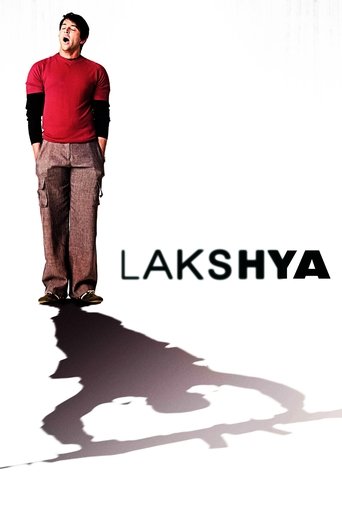
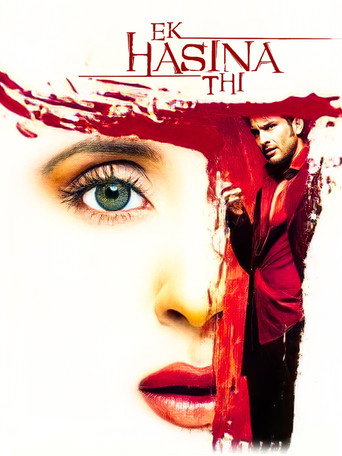
Farhan Akhtar's second film, Lakshya, follows Hrithik Roshan from aimless young man to officer in the Kargil war of 1999, and Anurag Kashyap's Black Friday, rated 7.6, the best of the shelf, reconstructs the investigation of the Mumbai bomb blasts of 1993 from the book by S. Hussain Zaidi. Mani Ratnam's Yuva braids three young lives in Kolkata, with Ajay Devgn, Abhishek Bachchan and Vivek Oberoi; Sriram Raghavan's first film, Ek Hasina Thi, gives Urmila Matondkar a woman's revenge on the man who framed her, Saif Ali Khan.
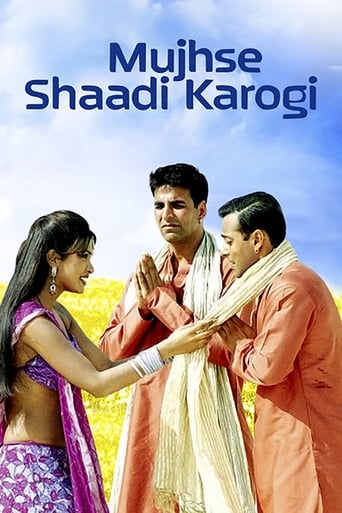
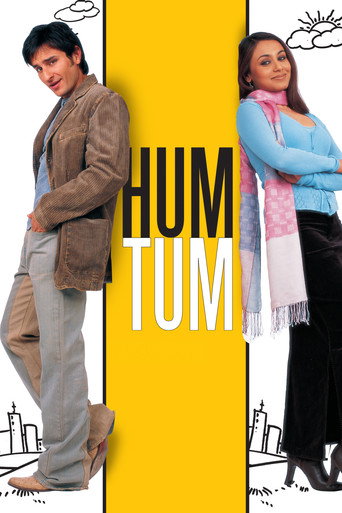
The lighter films are David Dhawan's Mujhse Shaadi Karogi, with Salman Khan, Akshay Kumar and Priyanka Chopra in Goa; Kunal Kohli's Hum Tum, whose couple meet again and again over the years, with Saif Ali Khan and Rani Mukerji; Priyadarshan's Hulchul, with Akshaye Khanna and Kareena Kapoor; and Indra Kumar's Masti. Rajkumar Santoshi's police film Khakee and the Burmawalla brothers' courtroom drama Aitraaz, with Akshay Kumar, Kareena Kapoor and Priyanka Chopra, complete the year.
2005
The shelf 2005 holds twelve films and about 1,200 votes. Sanjay Leela Bhansali's Black, 243 votes and a rating of 7.7, the best of the shelf and one of the nine films of the guide rated 7.5 or more, tells of Michelle, a deaf and blind girl, Rani Mukerji, and the stubborn teacher who brings her into language, Amitabh Bachchan; it is also one of the shorter films of the archive, at 124 minutes. Ram Gopal Varma's Sarkar places Amitabh Bachchan and his son Abhishek as a political patriarch and his heir, in the manner of The Godfather.
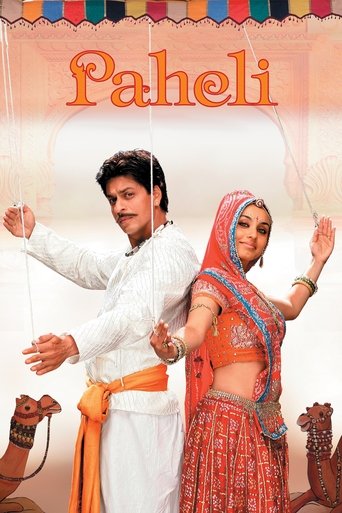
The year belongs to romance and comedy as well. Siddharth Anand's Salaam Namaste, filmed in Melbourne with Saif Ali Khan and Preity Zinta as a couple who move in together, was the first Hindi film shot entirely in Australia; BollyClips posted one of its deleted scenes. Shaad Ali's Bunty Aur Babli sends Abhishek Bachchan and Rani Mukerji across India as a pair of con artists chased by Amitabh Bachchan; Amol Palekar's Paheli, with Shah Rukh Khan and Rani Mukerji, is a Rajasthani folk tale of a ghost who takes the place of a husband; and Pradeep Sarkar's Parineeta, from another novel of Sarat Chandra Chattopadhyay, introduced Vidya Balan. Nagesh Kukunoor's Iqbal, rated 7.0, follows a deaf and mute village boy who dreams of bowling for India, with Shreyas Talpade and Naseeruddin Shah.
More of 2005
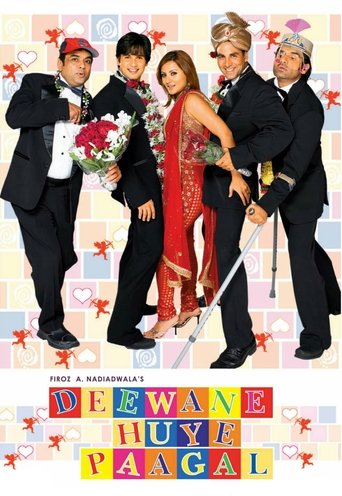
Five more films complete the 2005 shelf. Ketan Mehta's Mangal Pandey - The Rising gives Aamir Khan the role of the sepoy whose revolt of 1857 began the great uprising against the East India Company, with Rani Mukerji and Toby Stephens. Priyadarshan's Garam Masala makes Akshay Kumar and John Abraham two photographers juggling three air-hostess girlfriends; David Dhawan's Maine Pyaar Kyun Kiya? pairs Salman Khan with Sushmita Sen and Katrina Kaif; and Vikram Bhatt's Deewane Huye Paagal takes Akshay Kumar, Shahid Kapoor and Suniel Shetty to Dubai. Soham Shah's Kaal, a thriller in Corbett National Park with Ajay Devgn and John Abraham, rated 4.7, is among the lowest rated films of the guide.
2006
The shelf 2006 holds thirteen films and about 2,900 votes, the fourth fullest shelf of the archive by votes. Rakeysh Omprakash Mehra's Rang De Basanti, 534 votes, leads it: a British filmmaker casts a group of Delhi students as the revolutionaries of the 1920s, and their roles begin to change their lives. Aamir Khan, Siddharth, Kunal Kapoor, Sharman Joshi, R. Madhavan and Soha Ali Khan lead the cast, with A. R. Rahman's music. Farhan Akhtar's Don, 329 votes, remakes the 1978 Amitabh Bachchan film with Shah Rukh Khan as the crime boss and his lookalike, and Priyanka Chopra beside him.
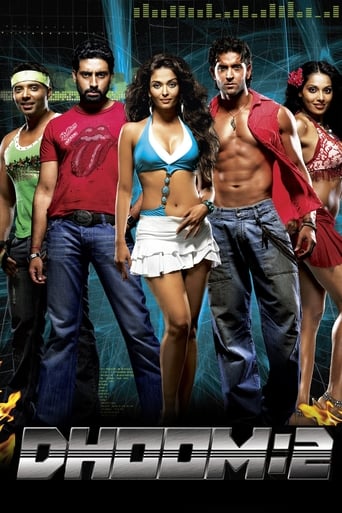
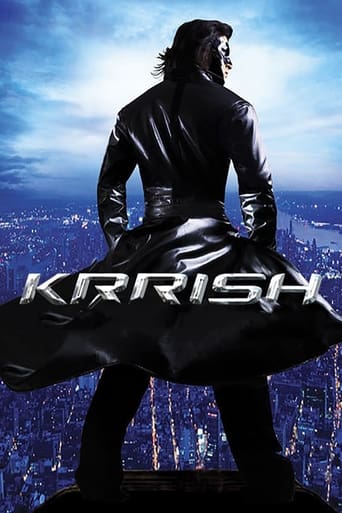
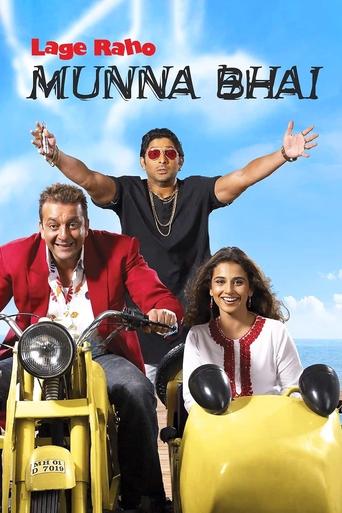
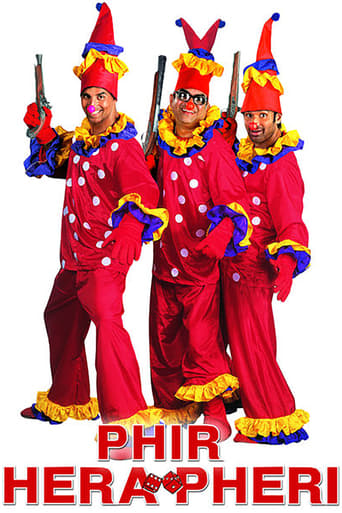
The sequels of the year come next. Sanjay Gadhvi's Dhoom 2, 313 votes, brings back Abhishek Bachchan and Uday Chopra against a new thief, Hrithik Roshan as Mr. A, with Aishwarya Rai Bachchan as his partner; it travels from Mumbai to Rio de Janeiro, and BollyClips posted a collage of its deleted scenes. Rakesh Roshan's Krrish, 308 votes, follows the son of the hero of Koi... Mil Gaya, now a masked hero in Singapore, with Priyanka Chopra. Rajkumar Hirani's Lage Raho Munna Bhai, 246 votes and a rating of 7.3, level with Khosla Ka Ghosla! at the top of the shelf, sends Munna and Circuit back with a new idea: Munna begins to see Mahatma Gandhi and learns his ways, which became known as Gandhigiri. Neeraj Vora's Phir Hera Pheri brings back Raju, Shyam and Baburao.
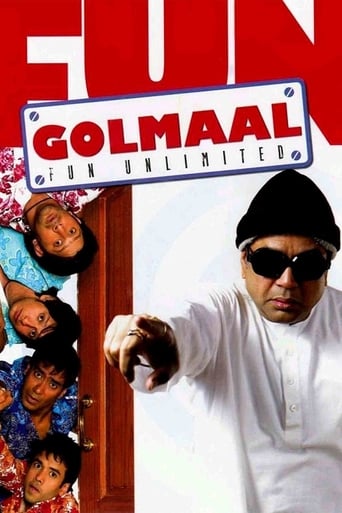
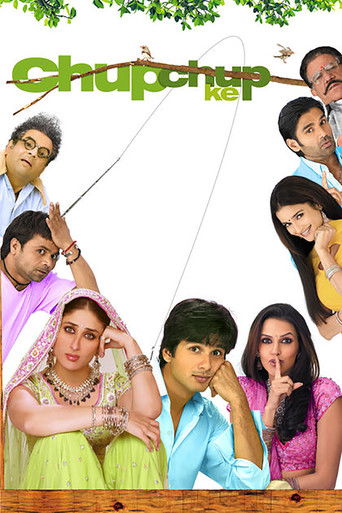
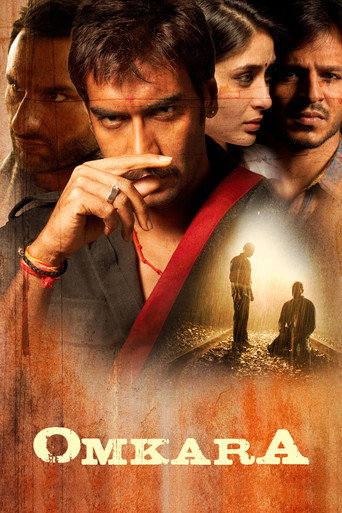
The rest of the year is a parade of comedies and a few bold films. Kunal Kohli's Fanaa pairs Aamir Khan and Kajol in a love story that turns into a thriller in the snows of Kashmir. Rohit Shetty's Golmaal – Fun Unlimited, with Ajay Devgn, Arshad Warsi, Sharman Joshi and Tusshar Kapoor, began a long series; Priyadarshan has two films on the shelf, Chup Chup Ke and Bhagam Bhag. Dibakar Banerjee's first film, Khosla Ka Ghosla!, rated 7.3, shows a Delhi family taking back its plot of land from a property shark with an elaborate hoax; Vishal Bhardwaj's Omkara moves Othello to the badlands of Uttar Pradesh with Ajay Devgn, Saif Ali Khan and Kareena Kapoor; and Sooraj Barjatya's Vivah, with Shahid Kapoor and Amrita Rao, is a gentle story of an arranged marriage.
2007
The shelf 2007 holds twelve films and about 3,800 votes. Its first film is Aamir Khan's first as director, Like Stars on Earth, known in Hindi as Taare Zameen Par, 1,438 votes and a rating of 8.0, the third most voted film of the guide: Ishaan, an eight-year-old who struggles at school, is sent to a boarding school, where a new art teacher recognises his dyslexia and his gift for painting. Darsheel Safary plays Ishaan and Aamir Khan the teacher, Ram Shankar Nikumbh.
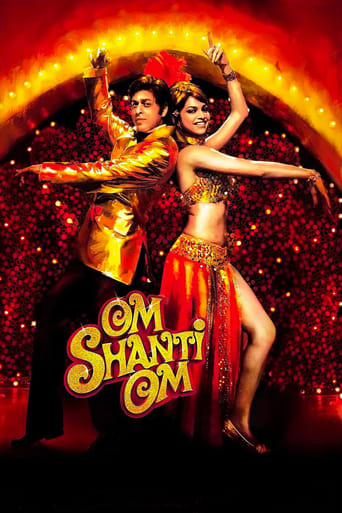
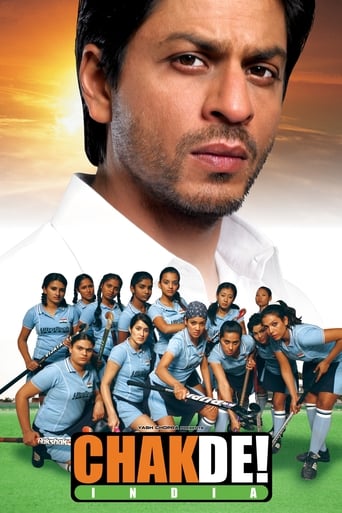
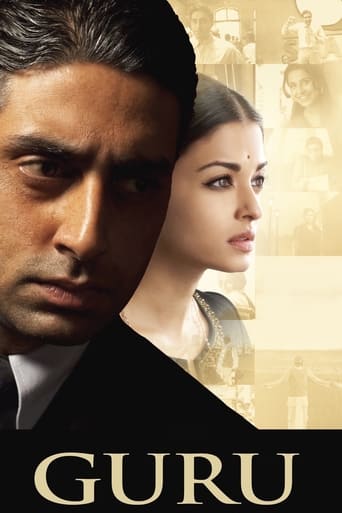
Shah Rukh Khan has two films on the shelf. Farah Khan's Om Shanti Om, 431 votes, a reincarnation story set in the film world of the 1970s and of thirty years later, with Deepika Padukone in her first Hindi role and a song that gathers dozens of stars in one party; and Shimit Amin's Chak De! India, 400 votes, in which he coaches the Indian women's hockey team to a world title, a role that many sports fans still quote. Imtiaz Ali's Jab We Met, 350 votes and a rating of 7.3, has Shahid Kapoor's sad businessman meet Kareena Kapoor's talkative Geet on a night train to Punjab, and Mani Ratnam's Guru, with Abhishek Bachchan and Aishwarya Rai Bachchan, follows a village boy who builds a business empire.
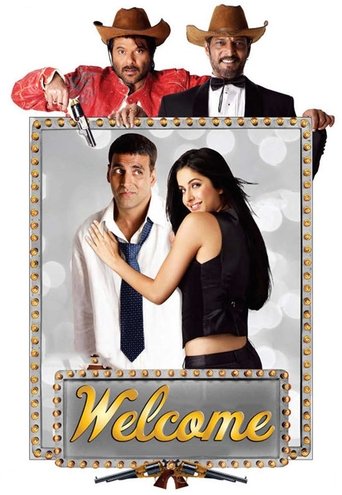
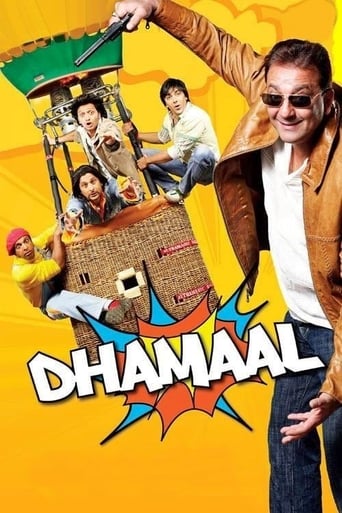
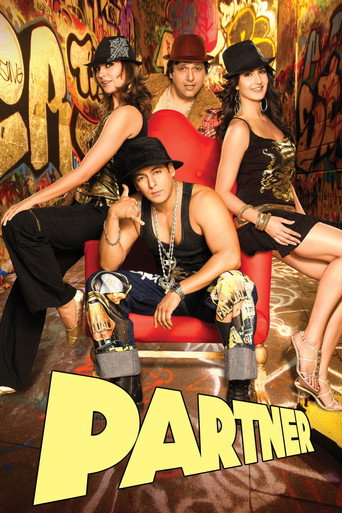
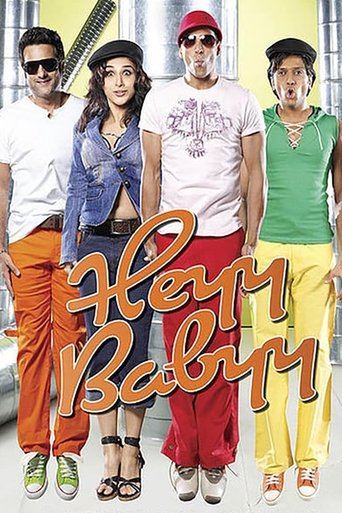
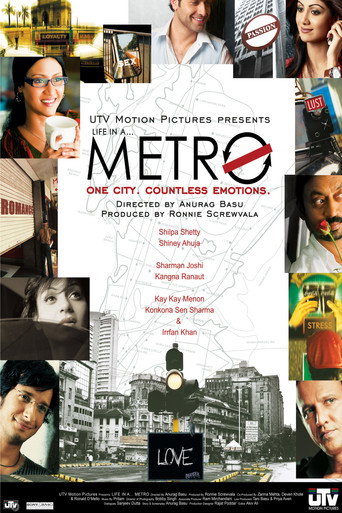
Comedy fills the rest of 2007. Priyadarshan's Bhool Bhulaiyaa, 230 votes, is a Hindi version of the Malayalam classic Manichitrathazhu, a haunted palace with Akshay Kumar as the psychiatrist; Anees Bazmee's Welcome, with Akshay Kumar, Katrina Kaif, Anil Kapoor, Nana Patekar and Paresh Rawal, is a gangster comedy; Indra Kumar's Dhamaal is a race for a hidden treasure; Vipul Amrutlal Shah's Namastey London takes Akshay Kumar and Katrina Kaif from Punjab to London; David Dhawan's Partner pairs Salman Khan and Govinda; and Sajid Khan's Heyy Babyy makes three bachelors fathers of a baby girl. Anurag Basu's Life in a Metro, with an ensemble cast in Mumbai, completes the year.
2008
The shelf 2008 holds thirteen films and about 2,600 votes. A. R. Murugadoss's Ghajini, 479 votes, leads it: his own Hindi remake of his Tamil hit, with Aamir Khan as a man who loses his memory every fifteen minutes and hunts his girlfriend's killer with photographs, notes and tattoos. Neeraj Pandey's first film, A Wednesday!, 380 votes, 103 minutes, the shortest film of the guide, sets a common man, Naseeruddin Shah, against the Mumbai police commissioner, Anupam Kher, over a single afternoon.
Aditya Chopra's third film, Rab Ne Bana Di Jodi, 343 votes, is the one BollyClips posted last: Shah Rukh Khan as Surinder Sahni, a shy Amritsar clerk who invents a flashy alter ego, Raj, to win the heart of his own wife, Anushka Sharma in her first film. Ashutosh Gowariker's Jodhaa Akbar, 295 votes, 213 minutes, the third longest film of the guide, tells the marriage of the Mughal emperor and a Rajput princess with Hrithik Roshan and Aishwarya Rai Bachchan.
More of 2008
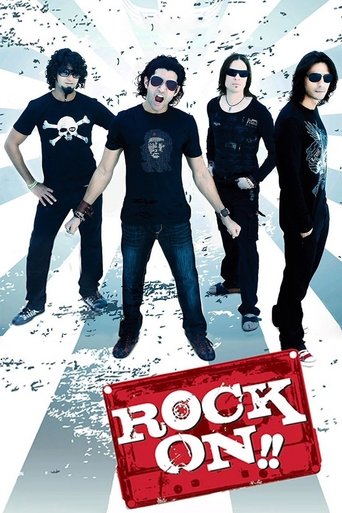
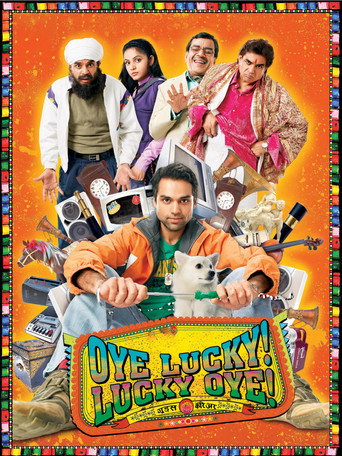
The other films of 2008 show the new faces of the period. Tarun Mansukhani's Dostana, 176 votes, set in Miami, has Abhishek Bachchan and John Abraham pretend to be a couple to rent a flat from Priyanka Chopra; Abhishek Kapoor's Rock On!! reunites a college rock band ten years later, with Farhan Akhtar in his first role as an actor and Arjun Rampal; Madhur Bhandarkar's Fashion follows a small-town model, Priyanka Chopra, to the top of the Mumbai fashion world, with Kangana Ranaut; and Siddharth Anand's Bachna Ae Haseeno follows Ranbir Kapoor through three love stories, with Deepika Padukone, Bipasha Basu and Minissha Lamba. Dibakar Banerjee's second film, Oye Lucky! Lucky Oye!, rated 7.0, follows a charming thief in Delhi, Abhay Deol.
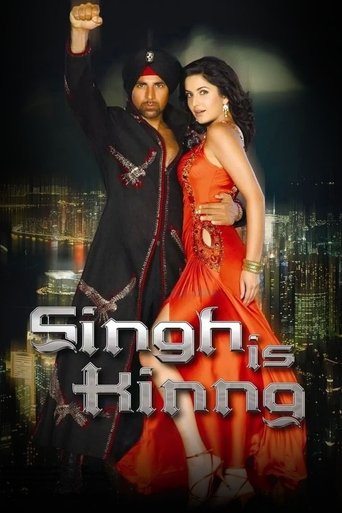
The comedies and thrillers of the year: the Burmawalla brothers' Race, with Saif Ali Khan and Akshaye Khanna as brothers in the horse-racing world of Durban; Rohit Shetty's Golmaal Returns; Anees Bazmee's Singh Is Kinng, with Akshay Kumar as a Punjabi villager who becomes a gang boss in Australia; and Vivek Sharma's Bhoothnath, with Amitabh Bachchan as a friendly ghost who befriends a boy in his old house, Shah Rukh Khan appearing as the boy's father.
2009
The last shelf of the archive, 2009, holds twelve films and about 4,300 votes, the second fullest shelf after 1995 to 1997. It opens with Rajkumar Hirani's 3 Idiots, 2,879 votes and a rating of 8.0, the second most voted film of the guide: two friends search for the third, Rancho, who vanished after their engineering college, and remember how he taught them to study for knowledge rather than marks. Aamir Khan, R. Madhavan and Sharman Joshi play the three, with Kareena Kapoor and Boman Irani as the director of the college. At its release it became the highest grossing Hindi film to date.
Ranbir Kapoor leads three films on the shelf: Ayan Mukerji's first film, Wake Up Sid, rated 7.2, a spoiled Mumbai boy who grows up beside a writer from Kolkata, Konkona Sen Sharma; Rajkumar Santoshi's Ajab Prem Ki Ghazab Kahani, with Katrina Kaif; and Shimit Amin's Rocket Singh: Salesman of the Year, an honest salesman who starts his own company inside the office of his employer. Anurag Kashyap's Dev.D retells Devdas in modern Punjab and Delhi with Abhay Deol, Mahie Gill and Kalki Koechlin; Vishal Bhardwaj's Kaminey gives Shahid Kapoor a double role as twin brothers, one with a lisp and one with a stammer; and Imtiaz Ali's Love Aaj Kal, with Saif Ali Khan and Deepika Padukone, sets two love stories decades apart.
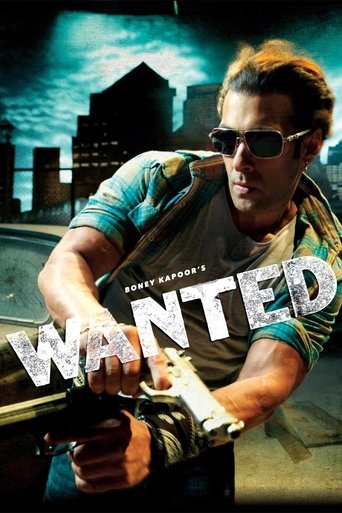
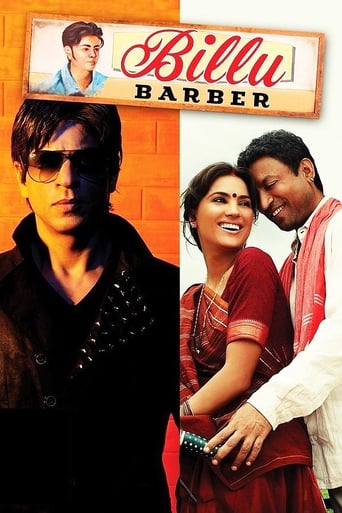
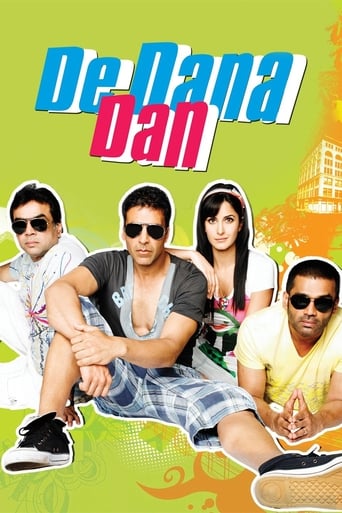
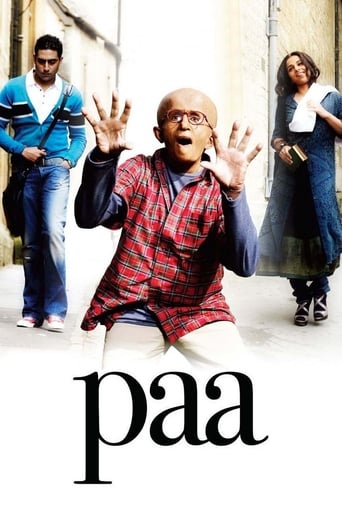
Prabhu Deva's Wanted, a Hindi remake of the Telugu hit Pokiri, relaunched Salman Khan as an action star; Priyadarshan's Billu stars Irrfan Khan as a village barber whose old friend has become a film star, Shah Rukh Khan; Priyadarshan's De Dana Dan reunites Akshay Kumar, Suniel Shetty and Paresh Rawal; Sujoy Ghosh's Aladin puts Amitabh Bachchan in the role of the genie; and R. Balki's Paa casts Amitabh Bachchan as a twelve-year-old boy with progeria and his own son Abhishek as the boy's father. With Paa the archive closes, at the end of 2009, a few weeks before the Wayback Machine saved the BollyClips blog.
The stars of the archive
Counting the first four names of each cast, Shah Rukh Khan appears in 28 of the 150 films, more than anyone else, from Karan Arjun and Dilwale Dulhania Le Jayenge in 1995 to Billu in 2009, where he plays a film star much like himself. The list Shah Rukh Khan gathers these films in order of release, and they trace the whole arc of his rise: the lover of the Yash Raj and Dharma films, the brooding hero of Dil Se.. and Devdas, the returning scientist of Swades, the hockey coach of Chak De! India and the shy clerk of Rab Ne Bana Di Jodi. He shares twelve of these films with Rani Mukerji, Kajol or Juhi Chawla, his most frequent screen partners of the period.
Akshay Kumar comes next, with twenty films, nineteen of them from the 2000s and fourteen of them comedies: Hera Pheri, Garam Masala, Bhagam Bhag, Welcome, Singh Is Kinng and De Dana Dan among them. Salman Khan has seventeen, from Karan Arjun and Judwaa to Tere Naam and Wanted; Rani Mukerji also seventeen, the most of any actress, from Ghulam in 1998 to Black and Mangal Pandey - The Rising in 2005; and Paresh Rawal seventeen too, the great comic support of the decade, Baburao in both Hera Pheri films.
Aamir Khan has fifteen films, gathered in the list Aamir Khan: a smaller number than Shah Rukh Khan's, but they include several of the most voted films of the guide, Lagaan: Once Upon a Time in India, Rang De Basanti, Like Stars on Earth, Ghajini and 3 Idiots. Amitabh Bachchan and Ajay Devgn each have thirteen; Amitabh Bachchan's films of the period show the second career that began with Mohabbatein in 2000 and led to Black, Sarkar and Paa. Hrithik Roshan and Kareena Kapoor have eleven each, Preity Zinta and Saif Ali Khan ten, Aishwarya Rai Bachchan and Abhishek Bachchan nine, Kajol eight and Priyanka Chopra seven. The guide The stars lists these counts.
The directors of the archive
The director with the most films in the archive is Priyadarshan, with nine, all comedies of the 2000s: Hera Pheri, Hungama, Hulchul, Garam Masala, Chup Chup Ke, Bhagam Bhag, Bhool Bhulaiyaa, Billu and De Dana Dan. Many of them are remakes of Malayalam films, the cinema where Priyadarshan began. David Dhawan follows with six comedies, from Judwaa in 1997 to Partner in 2007, and the brothers Abbas and Mustan Burmawalla, always credited together, with six films, most of them thrillers, from Baadshah to Race.
Ram Gopal Varma has five films: the musical romance Rangeela and four from the dark side of Mumbai or the supernatural, Satya, Company, Bhoot and Sarkar. Rakesh Roshan and Vikram Bhatt have four each, Rakesh Roshan with his son Hrithik in Koi... Mil Gaya and Krrish. With three films each come Aditya Chopra, whose three films as director of the period are all here, Dilwale Dulhania Le Jayenge, Mohabbatein and Rab Ne Bana Di Jodi; Rajkumar Hirani, whose first three films are all here, the two Munna Bhai films and 3 Idiots; Ashutosh Gowariker, with Lagaan, Swades and Jodhaa Akbar; Sanjay Leela Bhansali, Farhan Akhtar, Kunal Kohli, Mani Ratnam, Rajkumar Santoshi and Indra Kumar. The guide The directors lists them.
The deleted scenes of December 2009
The seven films that BollyClips posted about in its last month are all in the archive, each on the shelf of its year. The blog's posts were short: a title, a line of description and an embedded video. "Here are some deleted scenes of Dilwale Dulhania Le Jayenge," one began, calling it an all-time Bollywood blockbuster. Another offered a collage of deleted scenes from Dhoom 2, naming Hrithik Roshan, Abhishek Bachchan and Aishwarya Rai, and a third listed the five stars of Mohabbatein. The others covered Kabhi Khushi Kabhie Gham, Salaam Namaste, Rab Ne Bana Di Jodi and a clip of Aamir Khan hitting a six against the British in Lagaan: Once Upon a Time in India.
Deleted scenes were a treasure of the DVD era of Hindi cinema. The big productions of Yash Raj Films and Dharma Productions, the companies behind Dilwale Dulhania Le Jayenge, Mohabbatein, Kabhi Khushi Kabhie Gham, Salaam Namaste, Dhoom 2 and Rab Ne Bana Di Jodi, released DVD editions that often added scenes cut from films of three hours and more. Six of the seven films BollyClips chose come from those two companies; the seventh, Lagaan, was produced by Aamir Khan himself. The guide The deleted scenes keeps the list.
Sequels and pairs
Bollywood of the 2000s discovered the sequel, and the archive holds five pairs. Hera Pheri, 2000, and Phir Hera Pheri, 2006, the adventures of Raju, Shyam and Baburao; Munna Bhai M.B.B.S., 2003, and Lage Raho Munna Bhai, 2006, the gangster with a heart of gold and his sidekick Circuit; Dhoom, 2004, and Dhoom 2, 2006, the police officer Jai Dixit and his friend Ali against ever more stylish thieves; Golmaal – Fun Unlimited, 2006, and Golmaal Returns, 2008, Rohit Shetty's comedy series; and Koi... Mil Gaya, 2003, and Krrish, 2006, father and son with powers given by an alien. In three pairs the first film keeps more votes on TMDB, Hera Pheri, Munna Bhai M.B.B.S. and Golmaal; in two the sequel leads, Dhoom 2 and Krrish.
Remakes cross the archive too. Don, 2006, remakes the Don of 1978; Ghajini, 2008, and Wanted, 2009, remake Tamil and Telugu hits; Bhool Bhulaiyaa, 2007, remakes the Malayalam Manichitrathazhu; Nayak: The Real Hero, 2001, remakes the Tamil Mudhalvan; and Chachi 420, 1997, remakes the Tamil Avvai Shanmughi. Three of these Hindi versions were made by the director or star of the original: A. R. Murugadoss with Ghajini, Shankar with Nayak and Kamal Haasan with Chachi 420. The guide Sequels and pairs lists them.
The comedy capers
Comedy runs through the whole archive: 69 of the 150 films carry the Comedy genre on TMDB, more than any genre after Drama, 102, and Romance, 75. The comedies of the late nineties belong to David Dhawan and his stars, Judwaa and the double roles of Salman Khan; the comedies of the 2000s belong to Priyadarshan, Anees Bazmee, Rohit Shetty and Indra Kumar, and to their ensemble casts of Akshay Kumar, Suniel Shetty, Paresh Rawal and Arshad Warsi. Hera Pheri, Hungama, Welcome, Dhamaal and the two Golmaal films are still quoted in India, scene by scene. The guide Comedy capers follows them.
Another kind of comedy arrived in the same years, smaller and sharper: Khosla Ka Ghosla!, 2006, and Oye Lucky! Lucky Oye!, 2008, by Dibakar Banerjee; Rocket Singh: Salesman of the Year, 2009, by Shimit Amin; Munna Bhai M.B.B.S. and 3 Idiots by Rajkumar Hirani, comedies with a lesson; and Dev.D, 2009, by Anurag Kashyap, a dark comedy of heartbreak. These films announced the Hindi cinema of the following decade.
History on screen
Indian history gives the archive some of its biggest productions. Lagaan: Once Upon a Time in India is set in 1893; Aśoka, 2001, in the third century before the common era, with Shah Rukh Khan as the young emperor; Mangal Pandey - The Rising, 2005, in the rebellion of 1857; The Legend of Bhagat Singh, 2002, in the freedom struggle of the 1920s; and Jodhaa Akbar, 2008, in the Mughal court of the sixteenth century. Two films relive the wars of modern India: Border, 1997, the battle of Longewala in 1971, and Lakshya, 2004, the Kargil war of 1999. Gadar: Ek Prem Katha, 2001, crosses the Partition of 1947, and Rang De Basanti, 2006, brings the revolutionaries of the 1920s into the lives of students of the present. The guide History on screen gathers them.
BollyClips in figures
The 150 films of the archive carry about 30,500 votes on TMDB, with an average rating of 6.49. The late nineties hold 26 films and about 7,300 votes, the years 2000 to 2004 hold 62 films and about 8,300 votes, and the years 2005 to 2009 hold 62 films and about 14,900 votes. By shelf, 1995 to 1997 leads with about 5,700 votes, almost all of them for Dilwale Dulhania Le Jayenge, followed by 2009, 2007 and 2006. The most voted films are Dilwale Dulhania Le Jayenge, 4,635 votes, 3 Idiots, 2,879, and Like Stars on Earth, 1,438, then Lagaan: Once Upon a Time in India, 678, and Kabhi Khushi Kabhie Gham, 641.
Together the films last 23,860 minutes, almost 398 hours; the average film runs about 159 minutes, a reminder of the generous length of Hindi cinema in these years. The longest are Lagaan: Once Upon a Time in India, 233 minutes, Mohabbatein, 216, Jodhaa Akbar, 213, and Kabhi Khushi Kabhie Gham, 209; the shortest are A Wednesday!, 103 minutes, Bhoot, 113, and Monsoon Wedding, 114. Drama is the most frequent genre, in 102 films, then Romance, 75, Comedy, 69, Action, 42, Crime, 26, and Thriller, 23. The guide BollyClips in figures gathers every number, and the guide The longest films lists the longest and shortest.
Reading the ratings
Nine films reach a rating of 7.5 or more, gathered best first in the list Rated 7.5 or more: Dilwale Dulhania Le Jayenge, 8.5; 3 Idiots and Like Stars on Earth, 8.0; Kabhi Khushi Kabhie Gham and Black, 7.7; Black Friday, 7.6; and Kuch Kuch Hota Hai, Devdas and Veer-Zaara, 7.5. Shah Rukh Khan is in five of the nine. The lowest rated are Mela, 4.5, Jaani Dushman: Ek Anokhi Kahani, 4.6, and Kaal, 4.7.
The number of votes matters as much as the rating. Hindi films of these years have far fewer TMDB voters than Hollywood films of the same years: only ten films of the archive pass 400 votes, and the least voted, Raju Chacha, has 24. A rating built on a few dozen votes is the view of a small group of viewers, often fans; read it beside the number of votes. The guide Reading the ratings says the same in a few lines.
The look of BollyClips
The look of this site comes from the old blog. BollyClips used Minima Black, one of the first templates Blogger offered, designed by the Blogger Team in 2004 and still in use on thousands of blogs in 2010. Its style sheet, saved inside the archived page, sets every colour: a black page, grey text #ccc, links in pale blue #99aadd that turn pale green #aadd99 on hover, visited links in mauve #aa77aa, post titles in the same pale green, and borders in dark grey #333. The blog title sits in a header with a double border, in bold Trebuchet MS capitals spaced wide apart, with the description below in smaller grey capitals; the posts run down a narrow column on the left, divided by dotted lines, and the sidebar on the right carries the Blog Archive, with small triangles beside each year and month.
Here the same template frames a film guide. The header keeps its double border and its spaced capitals; each archive shelf is a post, with its title in pale green and a dotted line below; and the Blog Archive on the right lists the twelve shelves with their triangles and the number of films in brackets, as the old blog listed its posts. Each poster sits in a thin #333 frame, as the blog framed its pictures, and carries its year in a small grey label, like the date of a post. The guide The look of BollyClips lists each colour and where it comes from.
Where to begin
For a first visit, start with the seven films of the December 2009 posts: Dilwale Dulhania Le Jayenge, Mohabbatein, Kabhi Khushi Kabhie Gham, Lagaan: Once Upon a Time in India, Salaam Namaste, Dhoom 2 and Rab Ne Bana Di Jodi. Then try one film from each corner of the archive: Satya for the Mumbai underworld, Dil Chahta Hai for the new urban comedy, Hera Pheri for the comic trio, Black Friday for the hard true story, Chak De! India for sport, Like Stars on Earth for a family evening and 3 Idiots to close the decade. The guide Start with BollyClips gives three films for each period.
How to use BollyClips
The home page opens with an introduction, then the twelve archive shelves, each shown as a post with twelve posters and a link, Older Posts, that opens the whole shelf. On the right, the Blog Archive lists the twelve shelves by year with their number of films. The menu at the top leads to the three periods, the footer to the lists of Shah Rukh Khan, Aamir Khan and the films rated 7.5 or more, and the search box finds any film by its English title or its original title; the guide Search tips explains how.
Each poster shows the TMDB rating and, at the bottom, the year of the film; below come the first genre and the running time. The film page has the English synopsis, the cast, the director and the genres. The Watch now button opens the film on JustWatch, which shows the services that offer it in your country, and the button Add to My List keeps it in My list, stored in your browser. The guide How to use BollyClips explains each part, and the guide The Watch now button explains how JustWatch works.
Questions
What is BollyClips
An English guide to 150 Hindi films of 1995 to 2009, kept in twelve archive shelves by year.
Where does the name come from
From BollyClips, a Blogger blog of Bollywood clips archived in 2010.
How were the films chosen
The most voted Hindi films on TMDB for each period, documentaries and animation aside.
Which film has the most votes
Dilwale Dulhania Le Jayenge, with 4,635 votes.
Which film is the best rated
Dilwale Dulhania Le Jayenge, with 8.5.
Which is the longest film
Lagaan: Once Upon a Time in India, with 233 minutes.
Which actor appears most often
Shah Rukh Khan, in 28 films.
Which director has the most films
Priyadarshan, with nine comedies.
Where can I watch the films
The Watch now button opens each film on JustWatch, which shows the services that offer it in your country.
Where is My list kept
In your browser, on the device where you create it.
